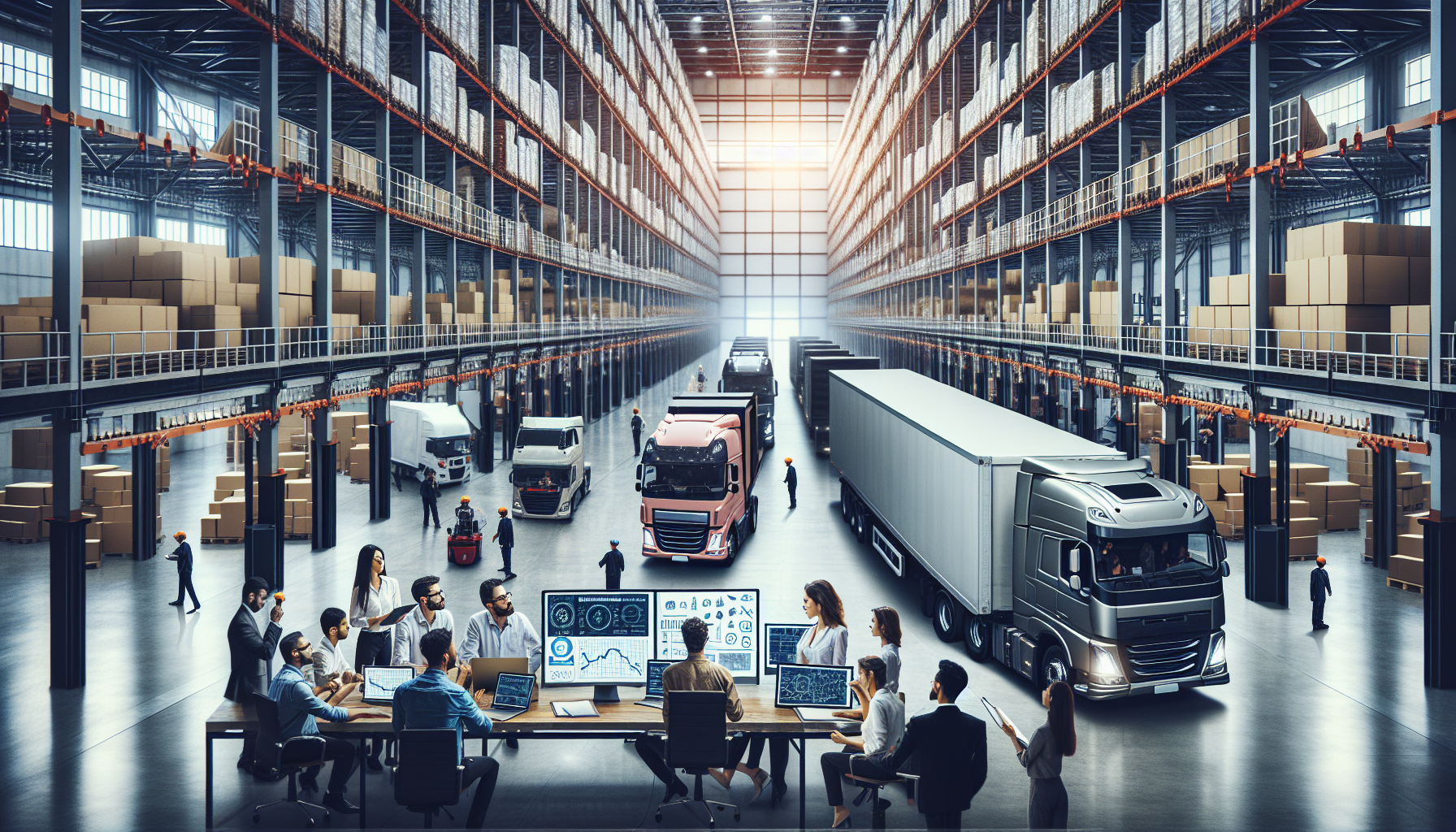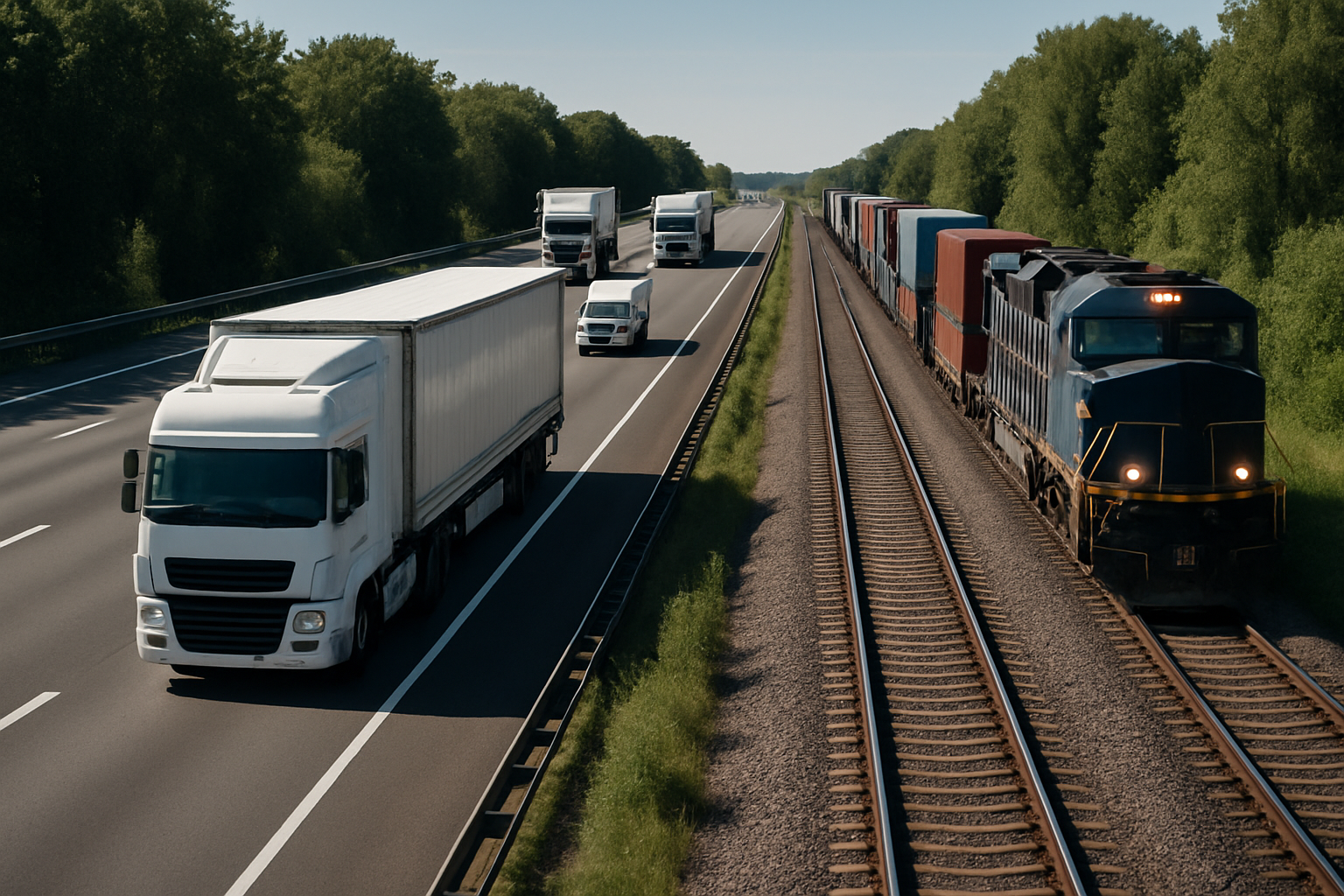
In managing logistics for an SME, choosing the right transport system is key to optimizing costs, time, and sustainability. Two of the most common options for freight transport are road transport and rail. Both have very distinct characteristics that may be more or less suitable depending on the specific needs of the company. In this article, we analyze the advantages and disadvantages of each mode and when it is preferable to choose one over the other.\n\n
Advantages of Road Transport\n
Road transport is the most flexible and widespread option, especially for short and medium distances. Its benefits include:\n
- \n
- Flexibility in routes and schedules: Allows adaptation to specific routes and door-to-door deliveries, something difficult to achieve with other transport modes.\n
- Speed for short deliveries: For short or medium trips, road transport is usually faster as it does not depend on rail connections or transfers.\n
- Greater geographic coverage: Can reach rural areas or places without rail access, facilitating distribution across the territory.\n
- Lower initial investment: Does not require specialized infrastructure beyond the existing road network.\n
- Possibility of multimodal transport: Easily combined with other modes such as rail or maritime to optimize the supply chain.\n\n\n
Disadvantages of Road Transport\n
- \n
- Higher variable costs: Fuel consumption, tolls, and maintenance can increase operating costs.\n
- Load limitations: Trucks have restrictions on volume and weight compared to trains.\n
- Greater environmental impact: The carbon footprint per ton-kilometer is higher compared to other modes.\n
- Traffic and safety conditions: Can affect punctuality and increase accident risks.\n\n\n
Advantages of Rail Transport\n
Rail stands out in transporting large volumes over long distances. Its strengths are:\n
- \n
- Lower costs for long trips: More efficient and economical for large loads and intercity or international distances.\n
- High load capacity: Can transport heavier and bulkier goods than trucks.\n
- Lower environmental impact: Emits fewer pollutants per ton transported, contributing to sustainability.\n
- Safety: Reduces the risk of accidents and theft compared to road transport.\n
- Reliability in scheduled times: Rail schedules tend to be stable and less affected by traffic.\n\n\n
Disadvantages of Rail Transport\n
- \n
- Less flexibility: Depends on the network of tracks and stations, limiting direct delivery at origin or destination.\n
- Transfer times: May require transfers to trucks for last-mile distribution, increasing time and costs.\n
- Infrastructure investment and planning: Not all companies can take advantage if they lack nearby rail access.\n
- Less suitable for small or urgent loads: Not competitive for light shipments or immediate deliveries.\n\n\n
When to Choose Road Transport and When Rail?\n
The decision depends on factors such as the nature of the goods, volume, destinations, budget, and environmental aspects.\n
- \n
- Choose road if: You require flexibility, door-to-door deliveries, or transport of small and urgent loads over short or medium distances.\n
- Prefer rail if: You transport large volumes over long distances, want to reduce cost per ton, and improve ecological footprint.\n
- Consider multimodal combination: In many cases, combining both methods optimizes time and costs, using rail for long stretches and road for local distribution.\n\n\n
Ultimately, the choice between road and rail transport should be based on a detailed analysis of the company’s logistical and strategic needs, always focusing on efficiency, cost, and sustainability.\n\n
For more information on logistics and transport, you can consult specialized official sources such as Wikipedia on rail transport.
- Prefer rail if: You transport large volumes over long distances, want to reduce cost per ton, and improve ecological footprint.\n
- Transfer times: May require transfers to trucks for last-mile distribution, increasing time and costs.\n
- High load capacity: Can transport heavier and bulkier goods than trucks.\n
- Load limitations: Trucks have restrictions on volume and weight compared to trains.\n
- Speed for short deliveries: For short or medium trips, road transport is usually faster as it does not depend on rail connections or transfers.\n