Transport and logistics are key aspects for the success of any SME that needs to move products or materials. Questions about how to manage these services, comply with current regulations, and control costs are common. In this article, you will find clear answers to the most frequent questions about transport and logistics for businesses.
What types of transport are available for businesses?
Businesses can use different modes of transport according to their needs:
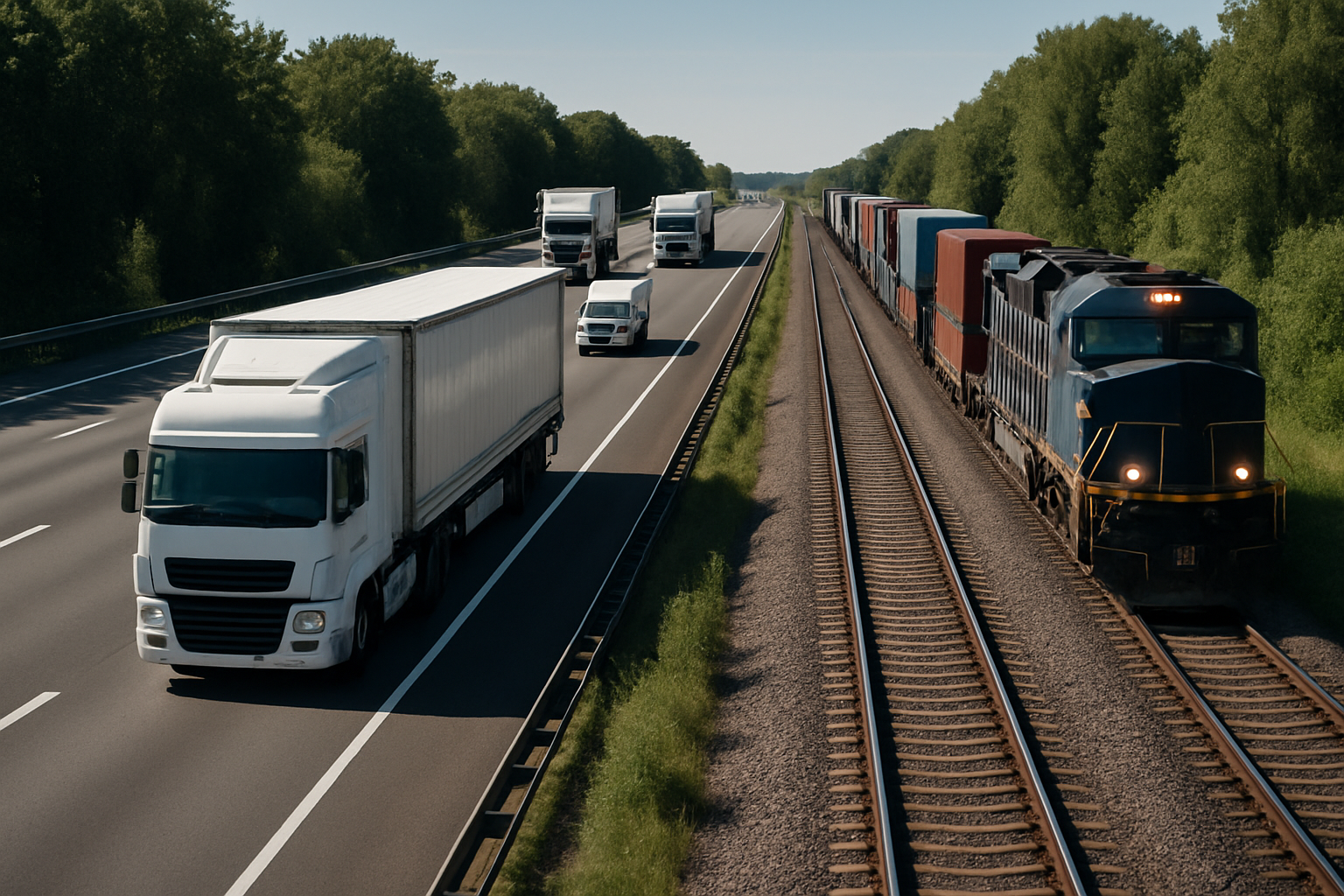
- Land transport: trucks, vans, or light vehicles used for national or regional deliveries.
- Maritime transport: suitable for large or international shipments at a good cost but with longer times.
- Air transport: fast and secure for urgent or high-value goods, although more expensive.
- Rail transport: efficient for large volumes and medium or long distances over land.
What are the basic legal obligations in business transport?
Businesses must comply with current regulations, which include:
- Licenses and permits for drivers and vehicles.
- Mandatory insurance for goods and vehicles.
- Records and documentation for transporting certain goods, especially hazardous materials.
- Compliance with driving and rest times according to labor and transport legislation.
How can I calculate transport costs for my business?
Transport costs include:
- Fuel and vehicle maintenance.
- Salaries and social costs of drivers.
- Tolls, taxes, and fees.
- Logistics costs such as handling and storage.
- Indirect costs like insurance and equipment depreciation.
It is advisable to analyze each item to optimize expenses.
What are the advantages of outsourcing transport services?
Hiring an external specialized company can provide:
- Reduction of fixed costs and improved management.
- Access to modern fleets and route expertise.
- Flexibility to adapt to demand peaks.
- Reduction of administrative and legal risks.
How to choose a reliable transport service provider?
You should consider:
- Experience and references in the sector.
- Clear and flexible contract terms.
- Ability to adapt to specific needs.
- Regulatory compliance and current insurance.
- Service quality and delivery times.
What documentation should I require in a transport contract?
The contract should include:
- Detailed description of the service and goods to be transported.
- Responsibilities and obligations of each party.
- Price conditions, payments, and penalties.
- Insurance and coverage for possible damages or losses.
- Duration and terms of renewal or termination.
How does environmental regulation affect business transport?
Legislation is increasingly strict regarding emissions and energy efficiency:
- Access restrictions to urban areas for polluting vehicles.
- Obligation to renew fleets with more sustainable models.
- Incentives for using clean energy and green technologies.
Adapting reduces risks and may lead to medium-term savings.
What public aid is available to improve logistics and transport in SMEs?
There are aid programs and subsidies aimed at:
- Fleet modernization.
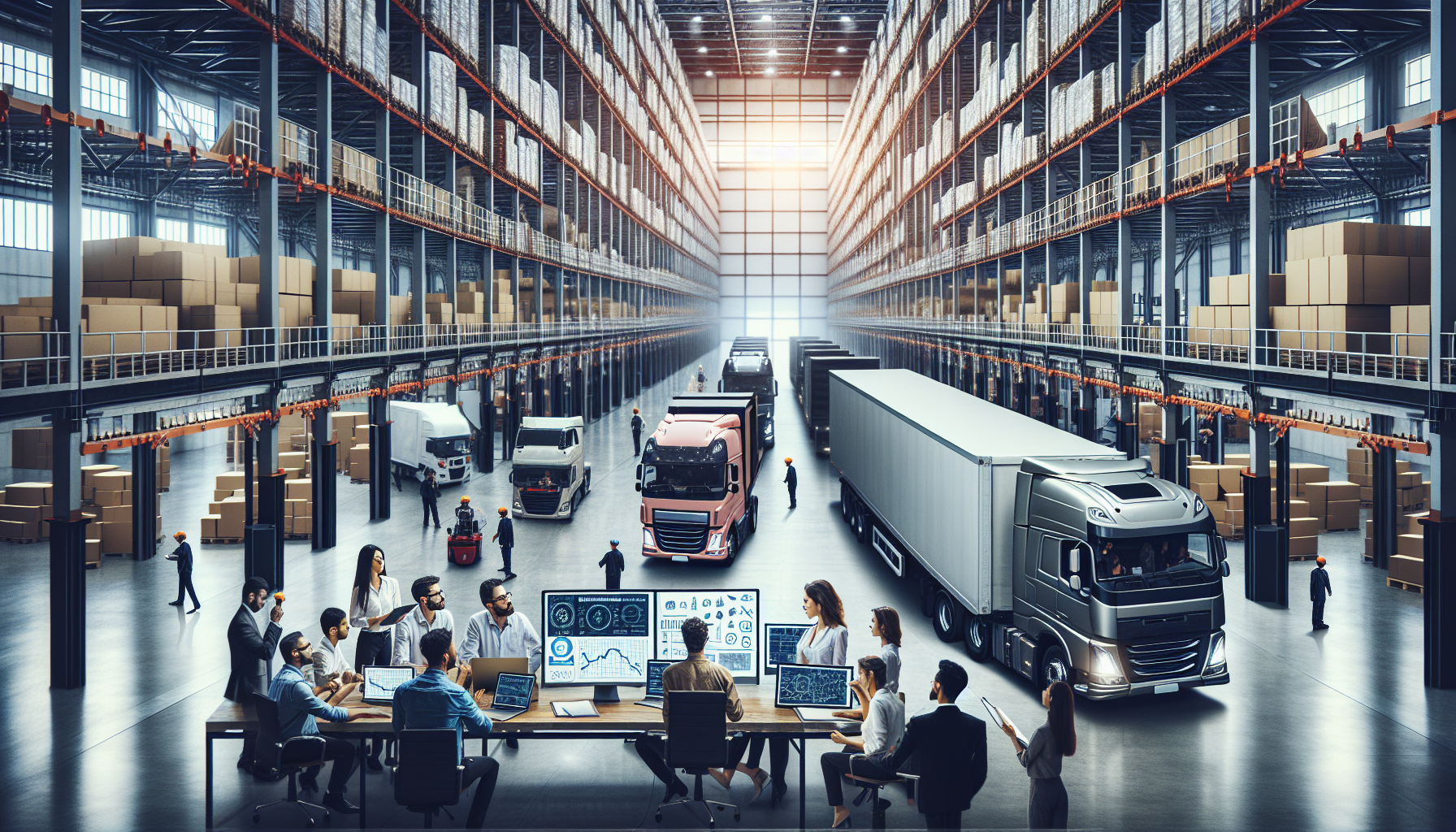
- Implementation of digital technologies in logistics management.
- Specialized training for drivers and staff.
- Sustainable projects and emission reduction.
Checking current calls for applications can be very beneficial.
What technological trends are transforming business transport?
Innovations impacting the sector include:
- Telematics and real-time tracking systems.
- Logistics management software and route planning.
- Electric and autonomous vehicles.
- Blockchain for traceability and document security.
These tools improve efficiency, reduce costs, and increase transparency.
How to ensure security in cargo transport?
It is essential to adopt measures such as:
- Continuous safety training for drivers and operators.
- Use of appropriate packaging and anti-vandalism systems.
- Planning safe routes and coordinating with authorities.
- Implementing emergency protocols.
This protects investment and enhances corporate reputation.
For a comprehensive view on regulations and best practices, it is recommended to consult official and specialized sources in transport and logistics.