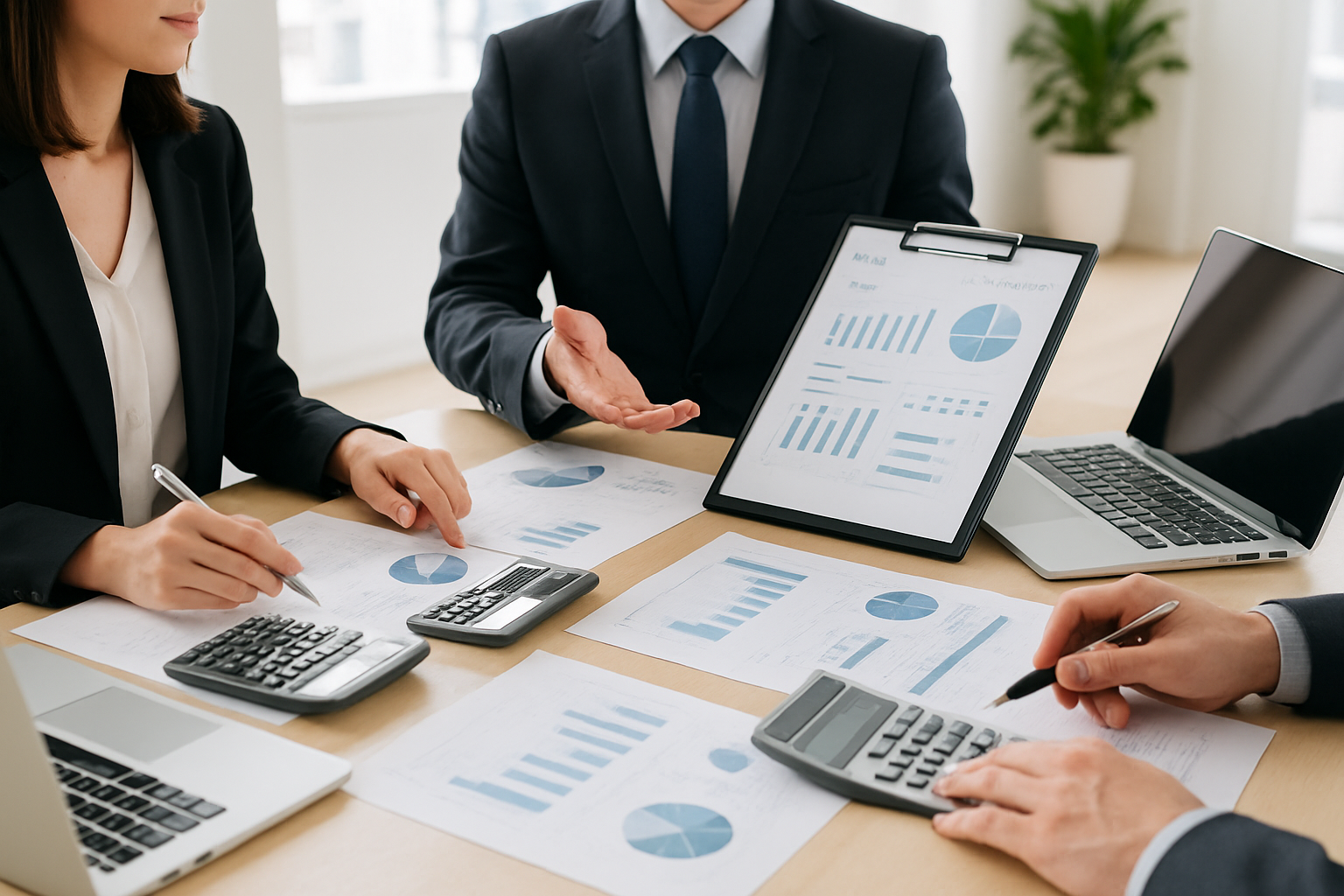
What is tax management and why is it important for SMEs?
Tax management includes all activities related to fulfilling a company's tax obligations. For SMEs, maintaining good tax management is crucial to avoid penalties, optimize resources, and ensure financial sustainability.
What are the main taxes that SMEs must manage in Spain?
SMEs must handle several taxes, the most common being Corporate Tax, Value Added Tax (VAT), and withholdings and payments on account if they have employees or make payments to third parties.
How is VAT filed and how often?
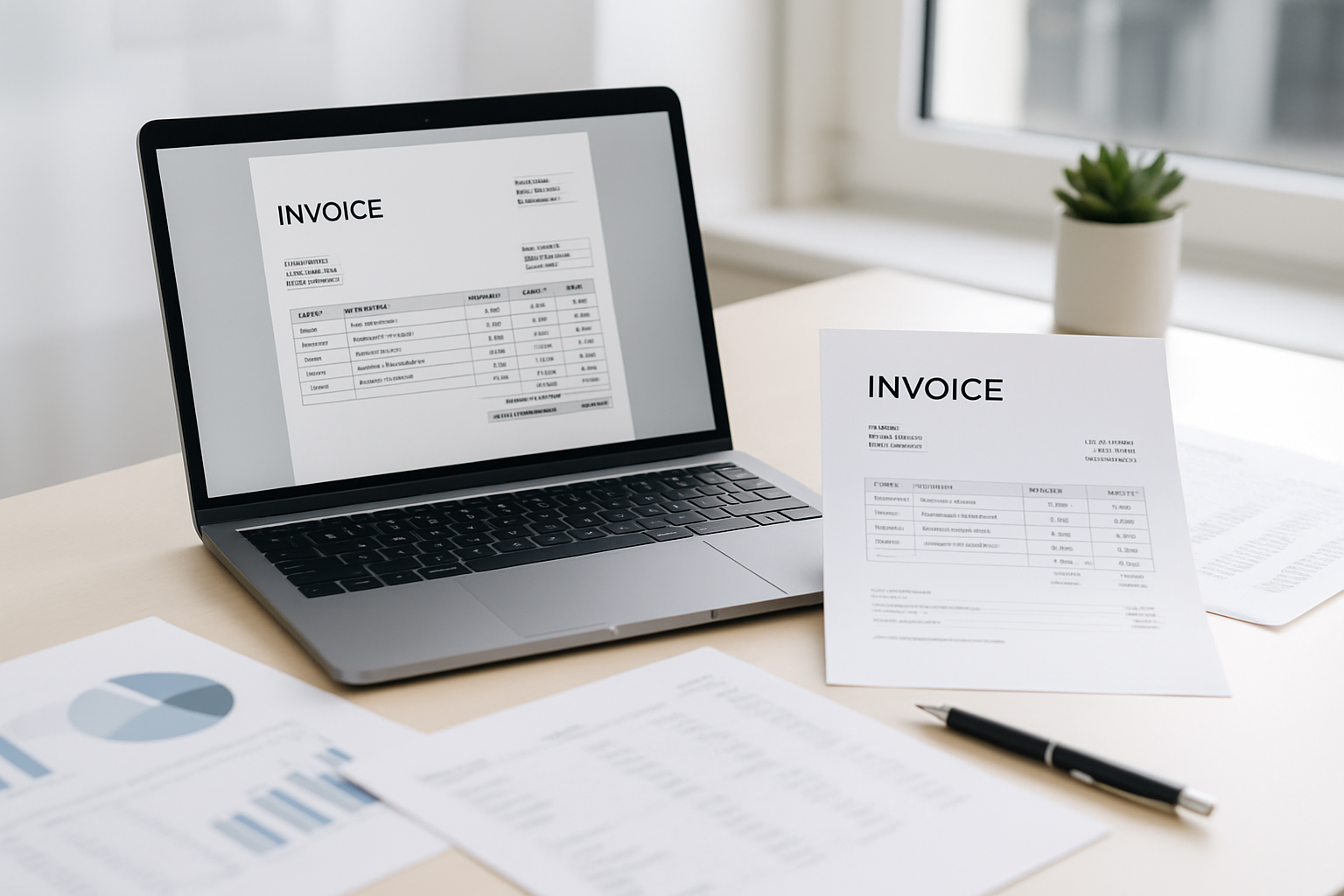
VAT is generally declared quarterly using form 303, although some companies may be required to file monthly. It is important to keep invoices and maintain strict control to submit an accurate declaration.
What obligations do SMEs have regarding Corporate Tax?
SMEs must annually file the Corporate Tax return using form 200. This tax applies to profits earned during the fiscal year and has established deadlines that should be respected to avoid surcharges.
What tax benefits or deductions can SMEs take advantage of?
There are various deductions and bonuses, such as incentives for investments in R&D&i, hiring employees, or creating youth employment. It is advisable to regularly review regulations to make the most of these options.
How does tax management affect the financial planning of an SME?
Proper tax planning allows anticipating payments, optimizing cash flow, and reducing costs through appropriate application of deductions and exemptions. This contributes to more efficient and sustainable financial management.
What risks exist if an SME fails to comply with its tax obligations?
Non-compliance can lead to financial penalties, late payment interest, audits, and in severe cases, legal issues. Staying up to date with obligations avoids these consequences and improves business reputation.
Is it advisable for an SME to have external tax advisory services?
Having specialized advisory can help correctly interpret regulations, take advantage of tax benefits, and avoid errors in filings. Although it represents a cost, it usually pays off with the savings and peace of mind it provides.
What documentation should an SME keep for proper tax management?
It is important to keep issued and received invoices, accounting books, payment receipts, employment contracts, and any documents supporting economic operations for at least five years, according to current legislation.
Where can SMEs consult regulatory updates related to taxation?
SMEs can get information through official portals such as the Tax Agency, official bulletins, and specialized tax law sites. Staying updated is essential to properly comply with obligations.